
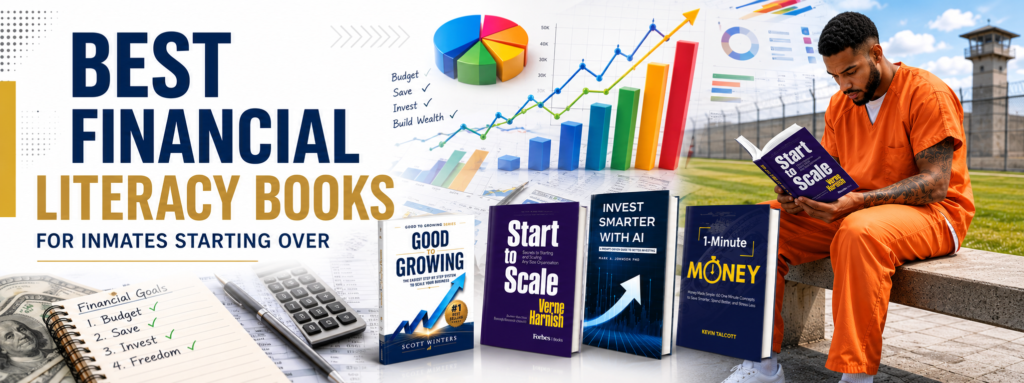
Starting over after incarceration requires preparation, knowledge, and practical skills. One of the most important areas of personal development is learning how to manage money effectively. Financial literacy books can provide inmates with valuable knowledge about budgeting, saving, investing, and making responsible financial decisions.
At Best Books to Inmates, we help families and friends provide meaningful educational resources that support rehabilitation and future success. The right financial literacy books can help incarcerated individuals build confidence, develop money management skills, and prepare for a more stable life after release.
Why Financial Literacy Matters for Inmates
Financial challenges are one of the biggest obstacles many individuals face when returning to society. Without proper knowledge of money management, it can be difficult to create stability and avoid financial mistakes.
Financial literacy books help inmates learn:
- How to create and manage a budget
- How to save money effectively
- How credit and debt work
- How to make better financial decisions
- How to plan for future goals
Developing financial knowledge during incarceration can help individuals prepare for independence and long-term success.
How Financial Literacy Books Support Rehabilitation
Rehabilitation is about more than completing a sentence. It involves developing skills and habits that support positive change.
Financial literacy books contribute to rehabilitation by helping inmates:
- Build responsibility
- Improve decision-making skills
- Develop planning abilities
- Understand financial consequences
- Prepare for employment and independence
Learning about money can encourage accountability and provide practical tools for life after release.
Best Types of Financial Literacy Books for Inmates
Choosing the right books is important. The most useful financial literacy books focus on practical skills that readers can apply in everyday life.
1. Budgeting and Money Management Books
Budgeting is one of the most important financial skills. Books in this category teach:
- Creating a spending plan
- Managing monthly expenses
- Understanding needs versus wants
- Building savings habits
These financial literacy books provide a strong foundation for anyone starting over.
2. Personal Finance Books
Personal finance resources help inmates understand the basics of managing money.
Important topics include:
- Saving strategies
- Banking basics
- Financial planning
- Responsible spending
- Emergency funds
These financial literacy books help readers develop confidence in handling financial responsibilities.
3. Credit and Debt Management Books
Understanding credit is essential for rebuilding financial stability.
These financial literacy books can teach:
- How credit scores work
- How to manage debt
- How to avoid financial traps
- How to rebuild credit responsibly
Knowledge about credit can help individuals make better choices after release.
4. Entrepreneurship and Business Books
Some inmates may want to start businesses or develop additional income opportunities after release.
Entrepreneurship-focused financial literacy books often cover:
- Business planning
- Income generation
- Small business basics
- Financial decision-making
These resources can inspire individuals to explore new career opportunities.
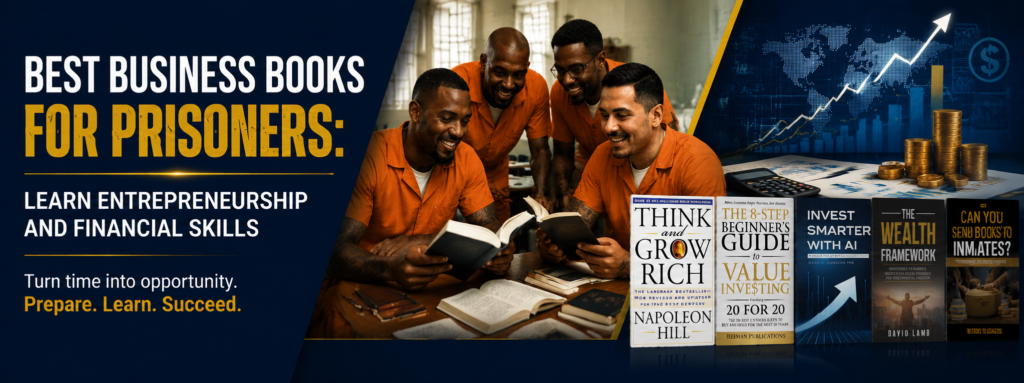
5. Investing and Wealth-Building Books
Long-term financial growth requires understanding how money can be managed over time.
These financial literacy books may cover:
- Basic investing concepts
- Building wealth responsibly
- Long-term financial planning
- Creating financial goals
Learning these principles can help individuals think beyond immediate needs.
Recommended Financial Literacy Books for Inmates
Some widely recognized financial literacy books include:
Rich Dad Poor Dad by Robert Kiyosaki
This book introduces concepts related to financial education, assets, and developing a different perspective about money.
The Total Money Makeover by Dave Ramsey
This resource focuses on budgeting, reducing debt, and building financial discipline.
Your Money or Your Life by Vicki Robin
This book teaches readers how to rethink spending, saving, and financial priorities.
The Richest Man in Babylon by George S. Clason
A classic financial book that explains basic money principles through simple stories.
The Millionaire Next Door by Thomas J. Stanley and William D. Danko
This book explores habits and behaviors associated with financial success.
These financial literacy books can provide valuable lessons for individuals preparing for a fresh start.
How to Choose the Right Financial Literacy Books
When selecting financial literacy books for inmates, consider the following:
Choose Practical Information
The best books provide clear strategies that readers can apply in real situations.
Consider Reading Level
Select books that are easy to understand and engaging for the reader.
Focus on Positive Financial Habits
Choose books that encourage:
- Saving
- Responsibility
- Planning
- Long-term thinking
Follow Facility Guidelines
Before sending financial literacy books, always check correctional facility requirements regarding:
- Approved vendors
- Book formats
- Content restrictions

How Best Books to Inmates Helps
At Best Books to Inmates, we make it easier for families to send educational materials that support growth and rehabilitation.
Our services include:
- Curated educational book selections
- Financial and personal development resources
- Guidance on correctional facility requirements
- Support selecting meaningful books
- Reliable ordering assistance
We help families provide financial literacy books that can make a lasting difference in an inmate’s future.
Benefits of Sending Financial Literacy Books
Providing financial literacy books to inmates can create many benefits:
- Encourages responsible decision-making
- Builds confidence about money management
- Supports career and life planning
- Helps prepare for independent living
- Creates opportunities for personal growth
A strong understanding of finances can become an important foundation for rebuilding life after incarceration.
Preparing for a Fresh Start Through Education
Starting over requires knowledge, patience, and commitment. Financial literacy books give inmates access to information that can help them make better choices and create realistic goals.
Education provides more than information, it provides opportunity. By learning financial skills before release, individuals can feel more prepared to manage responsibilities and pursue a stable future.
Contact Us
If you have any other questions or queries related to our services, feel free to contact us at:
- Phone: 845-675-7505
- Email: info@sureshotbooks.com
- Website: bestbookstoinmates.com
We’re here to serve you.
Final Thoughts
Financial education is an important part of successful reentry. The right financial literacy books can help inmates understand money management, build better habits, and prepare for a fresh start.
At Best Books to Inmates, we help families and friends send educational resources that encourage learning, responsibility, and personal development.
Every financial literacy book sent is an opportunity to provide knowledge, confidence, and a stronger foundation for the future.